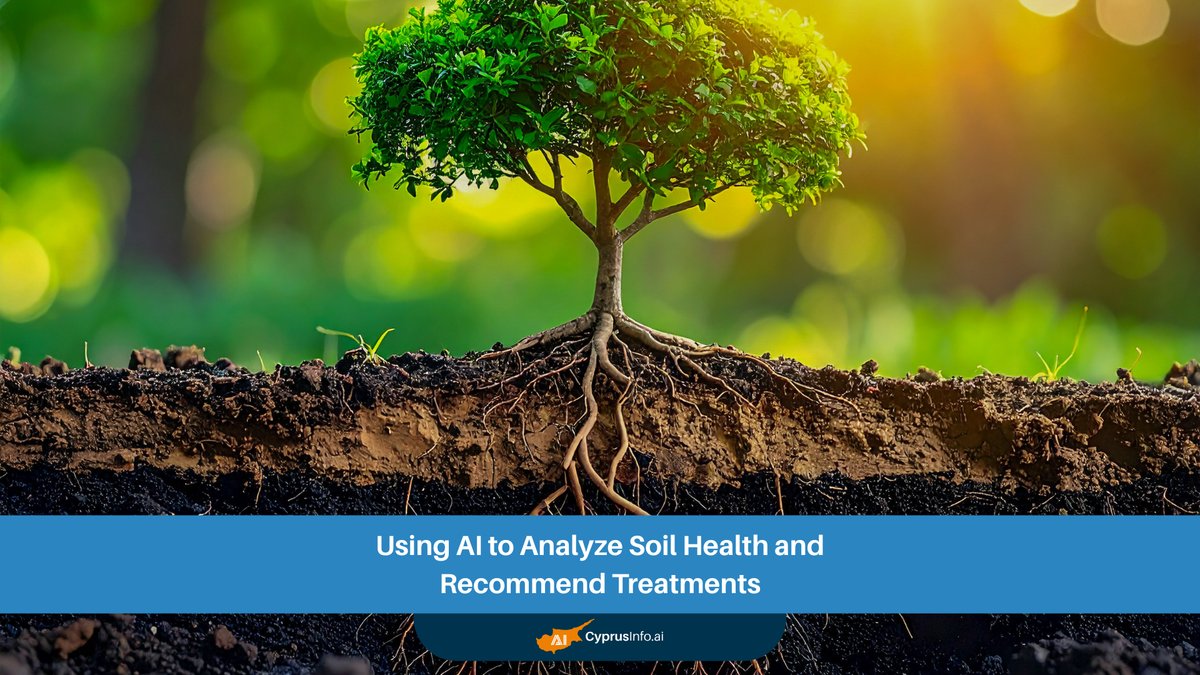
In the rapidly evolving landscape of precision agriculture, the integration of AI for soil health analysis has emerged as a cornerstone for sustainable food production and land management. As the global population continues to surge, the pressure on agricultural land intensifies, necessitating smarter, data-driven approaches to maintaining soil fertility. Traditionally, soil testing was a labor-intensive, time-consuming process that often yielded delayed results. Today, artificial intelligence is dismantling these barriers, providing farmers and agronomists with real-time insights into the subterranean ecosystem. By leveraging AI for soil health analysis, stakeholders can now predict nutrient deficiencies, monitor moisture levels with pinpoint accuracy, and receive automated treatment recommendations that were once the stuff of science fiction.
Understanding the nuances of AI for soil health analysis is no longer just an option for tech-forward enterprises; it is becoming a necessity for anyone looking to optimize crop yields and minimize environmental impact. This comprehensive guide explores the mechanisms, benefits, and future of AI for soil health analysis, providing an expert-level deep dive into how technology is saving our soils.
The Critical Role of AI for Soil Health Analysis in Precision Farming
The transition from conventional farming to precision agriculture depends heavily on the quality of data harvested from the ground. AI for soil health analysis serves as the brain of this operation, processing vast amounts of raw data from various sources to generate actionable intelligence. This technology allows for the creation of digital soil mapping, which provides a high-resolution view of soil properties across different plots.
"The soil is the great connector of lives, the source and destination of all. Using AI to protect it is not just a technological advancement; it is a moral imperative for food security."
Key Points of AI-Driven Soil Management
- Real-time Monitoring: Instantaneous feedback on NPK (Nitrogen, Phosphorus, Potassium) levels.
- Predictive Treatment: Algorithms that forecast future soil degradation before it happens.
- Resource Efficiency: Reduction in fertilizer and water waste through targeted application.
- Climate Resilience: Identifying soil structures that best sequester carbon.
Technical Architecture of AI for Soil Health Analysis
To implement AI for soil health analysis effectively, a multi-layered technological stack is required. This involves hardware for data collection and software for algorithmic processing. The process typically begins with remote sensing soil techniques, where satellites or drones equipped with multispectral cameras capture data on soil reflectance. This data is then combined with real-time soil data from ground-based IoT sensors.
Machine learning models, particularly Convolutional Neural Networks (CNNs) and Random Forests, are then trained on historical soil datasets. These models can identify patterns that human eyes might miss, such as subtle changes in soil texture or the early onset of salinity. For more insights into how these technologies are applied on a broader scale, you can read our guide on using AI for plant disease detection.
Data Sources Used in AI Soil Modeling
| Data Source | Technology Used | Soil Property Analyzed |
|---|---|---|
| Satellite Imagery | Multispectral Imaging | Organic Matter & Moisture |
| IoT Ground Probes | Electrochemical Sensors | pH Levels & NPK Content |
| Drones (UAVs) | Hyperspectral Sensors | Salinity & Mineral Composition |
| Historical Records | Cloud Databases | Crop Rotation & Yield History |
How AI Recommends Soil Treatments
The primary value proposition of AI for soil health analysis lies in its ability to go beyond diagnosis and move into prescription. Once the soil profile is analyzed, the AI engine compares the current state against the ideal conditions required for a specific crop. The system then generates a customized treatment plan.
For instance, if the AI for soil health analysis detects a dip in magnesium levels in a specific quadrant of a vineyard, it can trigger an automated fertigation system to apply the exact amount of magnesium required. This prevents the over-application of chemicals, which is a major contributor to groundwater pollution. This level of agricultural AI technology ensures that every square meter of land receives exactly what it needs, and nothing more.
The integration of sustainable farming solutions through AI is particularly relevant in regions with challenging climates. In Cyprus, where water scarcity and soil erosion are prevalent, using AI for precision agriculture can be a game-changer for local farmers.
Benefits of Implementing AI for Soil Health Analysis
The adoption of AI for soil health analysis offers transformative benefits across the entire agricultural value chain. From the individual farmer to large-scale commercial enterprises, the impact is profound.
1. Enhanced AI-Driven Crop Yield
By ensuring that the soil is always in its optimal state, AI-driven crop yield increases are consistently observed. Healthy soil leads to stronger root systems, better pest resistance, and ultimately, higher quality produce. AI for soil health analysis eliminates the guesswork, allowing for maximum biological expression of the seeds planted.
2. Significant Cost Reductions
Fertilizers and soil amendments are among the highest input costs in farming. AI for soil health analysis allows for variable rate application (VRA). Instead of blanket-spraying an entire field, farmers only treat the areas that require attention. This can reduce fertilizer costs by up to 30%, significantly boosting the bottom line.
3. Environmental Sustainability
Over-fertilization leads to nutrient runoff, which damages local ecosystems and contributes to greenhouse gas emissions. Smart agriculture Cyprus initiatives focus on using AI to maintain the delicate balance of the Mediterranean ecosystem. AI for soil health analysis promotes sustainable farming solutions by keeping chemicals in the soil and out of the water supply. According to the FAO Soils Portal, sustainable management could increase food production by up to 58%.
The Impact of AI for Soil Health Analysis in Cyprus
In Cyprus, the agricultural sector faces unique challenges, including high soil alkalinity and limited rainfall. AI for soil health analysis provides a specialized toolset for the Cypriot landscape. By utilizing smart agriculture Cyprus techniques, growers can manage the transition between the wet and dry seasons more effectively. Local initiatives are already exploring how AI for livestock management and soil monitoring can work together to create a circular economy on the farm.
Strategic Implementation: A Step-by-Step Guide
For those looking to adopt AI for soil health analysis, the transition should be strategic. Here is a recommended roadmap:
- Assessment: Identify the specific soil challenges of your land (e.g., drainage, acidity).
- Sensor Deployment: Install IoT probes to start gathering real-time soil data.
- Data Integration: Connect your sensors and satellite feeds to a centralized machine learning in farming platform.
- Pilot Phase: Apply AI recommendations to a small section of your land and monitor the AI-driven crop yield compared to traditional methods.
- Scale Up: Once the ROI is proven, expand the system across the entire operation.
What CyprusInfo.ai Offers
At CyprusInfo.ai, we serve as the premier bridge between cutting-edge technology and the local Cypriot market. We offer a comprehensive suite of resources and connections for those interested in AI for soil health analysis:
- Business Directory: Connect with the top agricultural AI technology providers and hardware suppliers in Cyprus.
- Expert Insights: Our blog provides deep dives into the latest trends in precision agriculture and smart agriculture Cyprus.
- Strategic Consulting: We help businesses identify the right AI tools to optimize their operations, whether in agriculture, real estate, or tech.
- Investment Opportunities: We highlight the most promising sectors for AI-driven innovation on the island.
Frequently Asked Questions about AI for Soil Health Analysis
How accurate is AI for soil health analysis compared to lab testing?
AI models that utilize high-quality IoT sensors and multispectral data can achieve accuracy levels exceeding 90% for primary nutrients. While lab tests remain the gold standard for chemical verification, AI provides the advantage of continuous, real-time monitoring that a lab cannot offer.Is AI for soil health analysis expensive to implement for small farmers?
While initial costs for high-end sensors can be significant, many cloud-based AI platforms operate on a subscription model, making the technology accessible. The long-term savings in fertilizer and water often offset the initial investment within two to three growing seasons.Can AI for soil health analysis detect soil pollutants?
Yes, advanced AI models can identify anomalies in soil reflectance and chemical composition that indicate the presence of heavy metals or petroleum hydrocarbons, making it useful for environmental remediation as well as farming.Does this technology require a constant internet connection?
Many modern IoT sensors used in AI for soil health analysis use LoRaWAN or satellite links, which are designed for remote areas. Data can be stored locally and uploaded when a connection is available, though real-time recommendations require connectivity.What crops benefit the most from AI for soil health analysis?
High-value crops such as grapes, olives, citrus, and greenhouse vegetables show the most immediate ROI. However, large-scale cereal farming benefits significantly from the efficiency gains in nitrogen management.How does AI help with soil carbon sequestration?
AI analyzes soil structure and moisture to identify the best conditions for storing carbon. This allows farmers to participate in carbon credit markets by proving their soil's health and sequestration capacity.Can AI predict soil erosion before it happens?
By analyzing topography, weather patterns, and vegetation cover via remote sensing soil data, AI can predict high-risk areas for erosion and recommend preventive planting or terracing.What is the role of machine learning in farming beyond soil?
Machine learning is also used for pest prediction, automated harvesting, and irrigation scheduling, creating a holistic precision agriculture ecosystem.How do I start using AI for soil health analysis in Cyprus?
Begin by consulting with local tech providers listed on CyprusInfo.ai and looking into government grants for agricultural modernization and digital soil mapping.Is my data safe when using these AI platforms?
Most reputable agricultural AI technology providers use encrypted cloud storage and comply with GDPR. Always check the data privacy policy of the service provider you choose.Conclusion: The Future of Soil is Intelligent
The implementation of AI for soil health analysis represents a fundamental shift in how we interact with the earth. By moving away from reactive, blanket treatments toward proactive, real-time soil data-driven management, we can ensure the longevity of our agricultural lands. The synergy of machine learning in farming and soil nutrient monitoring is not just about increasing profits; it is about building a resilient food system that can withstand the challenges of the 21st century. As we have seen, from digital soil mapping to AI-driven crop yield optimization, the tools are ready. It is now up to the innovators, farmers, and policymakers to embrace AI for soil health analysis and lead the charge toward a greener, smarter future.
Ready to Revolutionize Your Agricultural Business?
Contact CyprusInfo.ai today to connect with top-tier AI experts and transform your soil management strategy!
Get Started Now