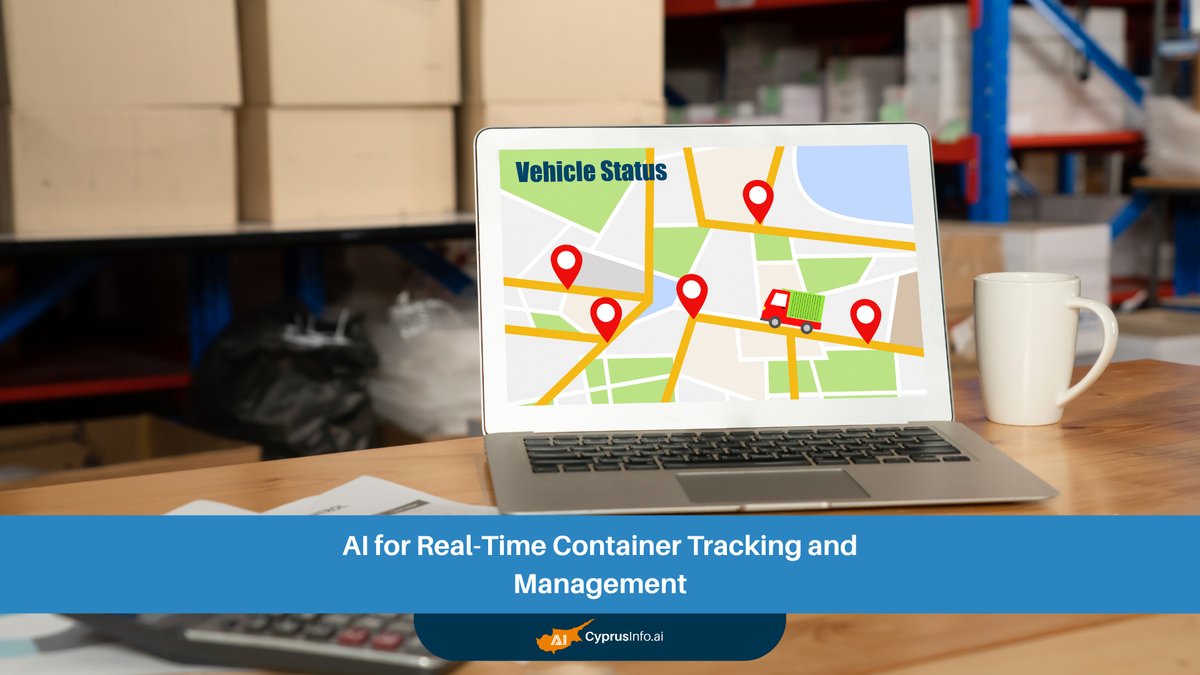
In today's interconnected global economy, the movement of goods across continents is a complex ballet of ships, trucks, trains, and planes. At the heart of this intricate dance are containers, the ubiquitous rectangular boxes that facilitate seamless multimodal transport. However, ensuring the visibility and efficient management of these containers has historically been a significant challenge. Enter Artificial Intelligence (AI), a transformative force poised to redefine real-time container tracking and management, ushering in an era of unprecedented efficiency, transparency, and resilience in supply chains.
The demand for precise and instant information regarding cargo whereabouts has never been higher. From manufacturing to retail, businesses rely on timely deliveries and accurate inventory data to maintain competitive advantage and meet customer expectations. Traditional tracking methods, often reliant on manual updates or infrequent checkpoints, fall short in providing the dynamic insights necessary for modern logistics. AI, combined with advanced sensor technologies and robust data analytics, offers a sophisticated solution to this pressing need, enabling true real-time container tracking and proactive management.
The Imperative for Real-time Container Tracking in Modern Logistics
The global supply chain is a delicate ecosystem, highly susceptible to disruptions ranging from geopolitical events and natural disasters to port congestion and unforeseen delays. Without robust real-time container tracking, businesses operate with limited visibility, leading to delayed decision-making, increased costs, and frustrated customers. The imperative for enhanced visibility extends beyond mere location; it encompasses condition monitoring, security, and predictive analytics.
Challenges in Traditional Container Tracking
For decades, container tracking has grappled with several inherent limitations:
Lack of Granular Visibility: Updates often occur only at major waypoints, leaving vast stretches of the journey in a data void.
Manual Data Entry Errors: Human error in recording and transmitting data can lead to inaccuracies and discrepancies.
System Silos: Different stakeholders (shippers, carriers, ports, customs) often use disparate systems, making data integration cumbersome.
Delayed Information: Information propagation can be slow, meaning decisions are often based on outdated data.
Limited Contextual Data: Beyond location, details about a container's environmental conditions (temperature, humidity) or security status are often missing.
These challenges highlight a critical need for a more intelligent, automated, and integrated approach. This is where AI’s capabilities for real-time container tracking become not just advantageous, but essential.
How AI Transforms Real-time Container Tracking and Management
AI's ability to process vast datasets, identify patterns, and make predictions is perfectly suited for the complexities of logistics. When applied to real-time container tracking, AI elevates the entire process from reactive reporting to proactive management and predictive optimization.
Key AI Technologies Driving Real-time Container Tracking
Several AI technologies are instrumental in revolutionizing container logistics:
Machine Learning (ML) for Predictive Analytics: ML algorithms analyze historical and live data (weather patterns, traffic, port congestion, vessel schedules) to predict potential delays, optimize routes, and forecast Estimated Times of Arrival (ETAs) with remarkable accuracy. This is crucial for achieving flawless AI ETA for shipments.
Internet of Things (IoT) Integration: IoT sensors embedded in or attached to containers collect a wealth of data – location (GPS), temperature, humidity, shock, door status. AI then interprets this raw data, turning it into actionable insights. This AI inventory management capability extends beyond simple tracking.
Computer Vision for Automated Monitoring: AI-powered cameras at ports and warehouses can automatically identify containers, check for damage, and monitor loading/unloading processes, enhancing AI stowage planning and yard management efficiency.
Natural Language Processing (NLP) for Document Analysis: NLP can process shipping manifests, customs declarations, and other documents, extracting critical information and flagging discrepancies, thereby streamlining administrative tasks and improving compliance.
Blockchain for Enhanced Transparency and Security: While not strictly AI, blockchain often integrates with AI systems to create an immutable, transparent ledger of all container movements and transactions, bolstering trust and reducing fraud. This also helps in AI for shipping anomaly detection and fraud prevention.
The AI Advantage for Real-time Container Tracking
Unparalleled Visibility: Gain end-to-end visibility across the entire supply chain, from origin to destination.
Predictive Insights: Anticipate issues before they occur, allowing for proactive intervention and risk mitigation.
Optimized Operations: Improve routing, scheduling, and resource allocation, leading to significant cost savings.
Enhanced Security: Monitor container integrity and detect unauthorized access in real-time.
Improved Customer Satisfaction: Provide accurate ETAs and delivery updates, boosting trust and reliability.
"The future of logistics isn't just about moving goods; it's about intelligently anticipating their journey, optimizing every step, and providing a level of transparency that was once unimaginable. AI makes this future a present reality for real-time container tracking." - Industry Logistics Expert
Benefits of AI-Powered Real-time Container Tracking
The adoption of AI in real-time container tracking yields a multitude of benefits that reverberate throughout the entire supply chain and beyond.
Enhanced Supply Chain Visibility
One of the most immediate and impactful benefits is the dramatic increase in supply chain visibility. Businesses can pinpoint the exact location of any container at any given moment, whether it's on a ship in the middle of the ocean, at a bustling port, or en route on land. This comprehensive oversight allows for better inventory management, reduced warehousing costs, and more agile responses to unforeseen events.
Optimized Logistics Operations and Costs
AI's analytical prowess enables profound logistics optimization. By analyzing real-time traffic, weather, and operational data, AI can suggest the most efficient routes, minimize idle times, and streamline processes at ports and distribution centers. This translates directly into reduced fuel consumption, lower operational costs, and faster transit times. For instance, AI can optimize port operations efficiency by predicting container arrival and departure times, allowing for better resource allocation.
Improved Security and Risk Management
Real-time container tracking with AI offers significant advancements in security. Geofencing capabilities can trigger alerts if a container deviates from its designated route. Sensors can detect unauthorized door openings or impacts, immediately notifying relevant personnel. This proactive risk assessment and response capability mitigates theft, tampering, and damage, protecting valuable cargo.
Superior Customer Satisfaction
In an age where instant gratification is the norm, customers expect transparency. AI-powered real-time container tracking allows businesses to provide accurate, up-to-the-minute updates on shipments, including precise ETAs. This level of communication builds trust, enhances the customer experience, and distinguishes a business from its competitors.
Data-Driven Decision Making
The sheer volume of data generated by AI tracking systems is invaluable. AI converts this raw data into actionable insights, providing a foundation for strategic decision-making. Businesses can identify bottlenecks, evaluate carrier performance, optimize inventory levels, and even predict future demand with greater accuracy. This embrace of AI data analytics for business leads to continuous improvement.
Use Cases Across Industries
The applications of AI for real-time container tracking span a diverse range of industries, each benefiting from enhanced precision and control.
Perishable Goods (Cold Chain Monitoring)
For industries dealing with perishables like food, pharmaceuticals, and flowers, maintaining specific environmental conditions throughout transit is paramount. Cold chain monitoring with AI-integrated sensors ensures that temperature and humidity remain within acceptable ranges. Any deviation triggers immediate alerts, allowing for corrective action to prevent spoilage and ensure product quality.
High-Value Goods and Electronics
Shipping high-value items demands stringent security and tracking. AI-powered tracking provides continuous surveillance, tamper detection, and precise location data, significantly reducing the risk of loss or theft. This level of assurance is critical for electronics, luxury goods, and sensitive equipment.
Manufacturing and Automotive
Manufacturers rely on just-in-time (JIT) inventory systems, making precise inbound logistics crucial. AI-driven real-time container tracking ensures components arrive exactly when needed, minimizing production delays and warehousing costs. This supports efficient supply chain management, particularly for complex global manufacturing processes.
Retail and E-commerce
In the fast-paced retail and e-commerce sectors, customer expectations for rapid and transparent deliveries are high. AI tracking helps manage the inbound flow of goods to distribution centers and ensures accurate outbound delivery information, facilitating seamless order fulfillment and returns.
Challenges and Considerations in Implementation
While the benefits are clear, implementing AI for real-time container tracking comes with its own set of challenges that need careful consideration.
Data Integration and Interoperability
One of the biggest hurdles is integrating data from various sources – shipping lines, port authorities, IoT devices, and enterprise resource planning (ERP) systems. Ensuring interoperability between different platforms and standards is crucial for a unified view of the supply chain.
Cost of Technology and Infrastructure
The initial investment in AI software, IoT sensors, communication infrastructure, and data storage can be substantial. Businesses must conduct thorough cost-benefit analyses to justify these investments and plan for scalability.
Cybersecurity Concerns
As more data is collected and shared digitally, the risk of cyberattacks increases. Robust AI cybersecurity measures are essential to protect sensitive cargo information and prevent system breaches.
Regulatory Compliance and Data Privacy
Operating across international borders means navigating a complex web of regulations and data privacy laws (like GDPR). AI systems must be designed to comply with these requirements, especially when handling data related to specific shipments or parties.
The Future of AI in Container Tracking
The trajectory of AI in container tracking points towards even greater autonomy and intelligence. We can anticipate:
Autonomous Logistics: Self-optimizing supply chains where AI makes real-time adjustments without human intervention.
Digital Twins: Virtual replicas of physical containers and their contents, providing a comprehensive, interactive view of their status and journey.
Hyper-Personalized Logistics: Tailored tracking and delivery solutions based on specific cargo requirements and customer preferences.
Integration with Smart Ports: AI-driven port operations that communicate seamlessly with container tracking systems, facilitating faster processing and reduced dwell times.
The adoption of advanced AI in logistics technologies is not merely an upgrade; it's a fundamental shift towards a more resilient, efficient, and intelligent global trade network. Businesses that embrace these innovations will be best positioned to thrive in the complex logistics landscape of tomorrow.
CyprusInfo.ai: Your Partner in AI-Driven Logistics Transformation
At CyprusInfo.ai, we understand the critical role of advanced technology in navigating the complexities of modern logistics and supply chain management. We offer AI-powered solutions designed to empower businesses, including those involved in shipping and maritime industries, to achieve unparalleled visibility and efficiency in their operations.
Our platform can assist companies in Cyprus and beyond by providing:
AI-Powered Data Analytics: Leverage our advanced AI tools to analyze vast datasets from your logistics operations, identifying patterns, predicting potential disruptions, and optimizing routes for maximum efficiency and cost savings.
Integration & Consultancy: We can guide you through the integration of AI-driven real-time container tracking systems with your existing infrastructure, ensuring a smooth transition and maximizing return on investment.
Predictive Maintenance Solutions: For shipping fleets and logistics equipment, our AI can offer predictive maintenance insights, minimizing downtime and extending asset lifespan.
Customized Solutions for Supply Chain Visibility: Whether you need enhanced supply chain visibility, optimized inventory management, or improved ETA accuracy, CyprusInfo.ai can help you tailor AI solutions to your specific business needs.
Market Insights and Competitive Analysis: Our AI platform can also provide valuable market research and competitive analysis, helping you stay ahead in the dynamic logistics sector.
Partner with CyprusInfo.ai to unlock the full potential of AI in transforming your logistics operations and achieving superior real-time container tracking and management.
Frequently Asked Questions About AI for Real-time Container Tracking
What is AI-powered real-time container tracking?
AI-powered real-time container tracking uses artificial intelligence and IoT sensors to monitor the precise location, condition, and security status of shipping containers as they move through the global supply chain. It provides continuous updates and uses machine learning to offer predictive insights.
How does AI enhance supply chain visibility?
AI processes data from multiple sources (GPS, sensors, port systems) to create a comprehensive, end-to-end view of every container's journey. This enhanced supply chain visibility allows businesses to know where their goods are at all times, identify potential delays, and react proactively.
What are the main benefits of using AI for container management?
The main benefits include improved operational efficiency, significant cost reductions, enhanced security against theft and damage, better risk management through predictive analytics, and increased customer satisfaction due to accurate delivery information. AI also drives better data-driven decision-making.
Is AI real-time container tracking only for large enterprises?
No, while large enterprises were early adopters, the technology is becoming increasingly accessible and scalable for small and medium-sized enterprises (SMEs). Solutions like those offered by CyprusInfo.ai can be tailored to various business sizes and needs, democratizing access to AI in supply chain management.
What kind of sensors are used in smart container technology?
Smart container technology typically utilizes GPS for location, temperature and humidity sensors for environmental monitoring, accelerometers for shock detection, and door sensors for security. These IoT devices collect data that AI then analyzes.
How does AI predict delays in container shipments?
AI uses machine learning algorithms to analyze historical data, real-time traffic conditions, weather forecasts, port congestion levels, and vessel schedules. By identifying complex patterns in these factors, AI can accurately predict potential delays and provide updated ETAs, enabling predictive logistics.
What role does cybersecurity play in AI real-time container tracking?
Cybersecurity is crucial to protect the vast amount of sensitive data collected and transmitted. Robust security protocols are needed to prevent unauthorized access, data breaches, and manipulation, ensuring the integrity and reliability of tracking information. This aligns with broader efforts in AI cybersecurity for businesses.
Can AI help with cold chain monitoring for sensitive goods?
Absolutely. AI, integrated with temperature and humidity sensors, enables continuous cold chain monitoring. It ensures perishable goods like pharmaceuticals or food products remain within specific environmental parameters, alerting operators immediately if conditions deviate, thus preventing spoilage and ensuring compliance.
How does AI-driven container tracking integrate with existing logistics systems?
Modern AI tracking solutions are designed with APIs (Application Programming Interfaces) to facilitate seamless integration with existing ERP (Enterprise Resource Planning), WMS (Warehouse Management System), and TMS (Transportation Management System) platforms, creating a unified data ecosystem. This ensures that the benefits of real-time container tracking are fully realized without overhauling existing infrastructure.
What is the long-term impact of AI on freight management?
The long-term impact of AI on freight management AI is profound, leading to more resilient, autonomous, and cost-effective supply chains. It will enable predictive maintenance for fleets, optimize global trade routes, enhance security, and facilitate completely autonomous logistics operations, changing how goods are moved globally.
The Dawn of Intelligent Logistics: A Summary
The journey of a container from factory to consumer is undergoing a radical transformation, driven by the power of Artificial Intelligence. Real-time container tracking, once a fragmented and often unreliable process, is now evolving into a sophisticated, data-driven ecosystem. AI’s ability to analyze, predict, and automate is delivering unprecedented levels of supply chain visibility, operational efficiency, and security. From predictive logistics to cold chain monitoring, AI is not just optimizing the movement of goods; it's fundamentally reshaping the global trade landscape.
Businesses that embrace these intelligent solutions will gain a significant competitive edge, capable of navigating disruptions with agility, meeting customer demands with precision, and unlocking new avenues for growth and profitability. The future of logistics is intelligent, connected, and driven by AI.